


Primavera Sound 2026 will be remembered as a festival that began under pressure but ultimately delivered one of its most complete and compelling recent editions.
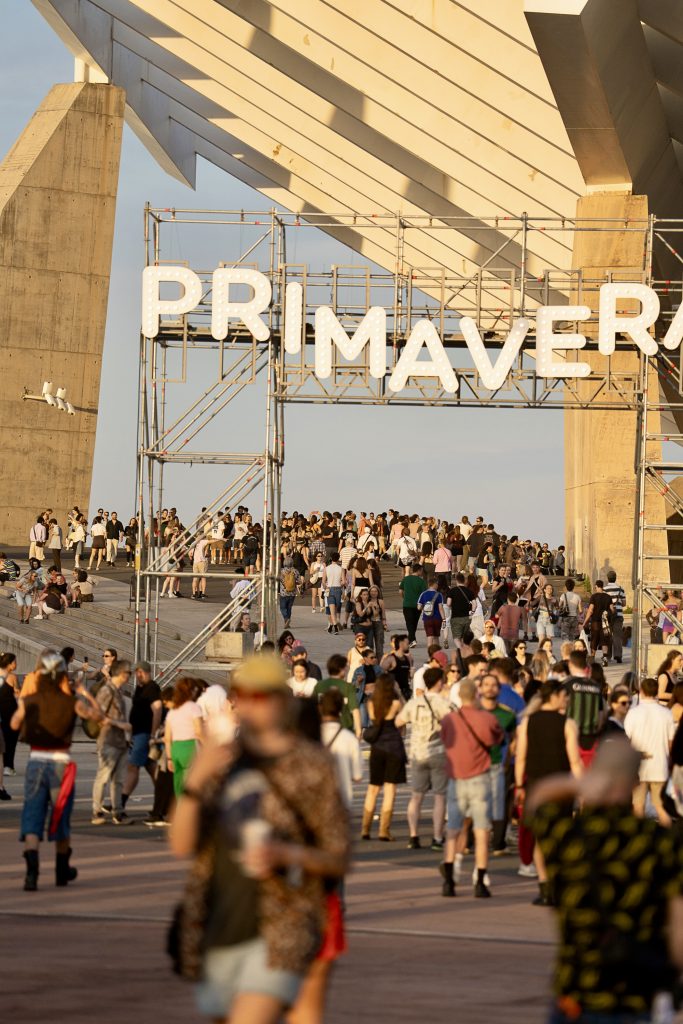
Severe weather on Thursday evening forced the suspension of performances across the festival’s main stages, abruptly halting a day that had already delivered a run of strong early sets. In that moment, it felt like the weekend’s identity might be defined by disruption. Instead, by Saturday night, the narrative had completely shifted.
Across three days in Barcelona, Primavera Sound once again demonstrated its range, ambition and resilience, delivering standout performances, surprise moments, and a collaboration between Olivia Rodrigo and Robert Smith that will sit among the year’s most memorable live highlights so far
Thursday: Strong Opening Energy Before the Storm
Before the weather arrived, Thursday had already established a strong sense of momentum across the site.
Blood Orange delivered one of the early highlights on the Revolut stage, with Dev Hynes offering a smooth, atmospheric blend of soul, electronic textures and understated performance style that perfectly suited the late afternoon sun over Parc del Fòrum.
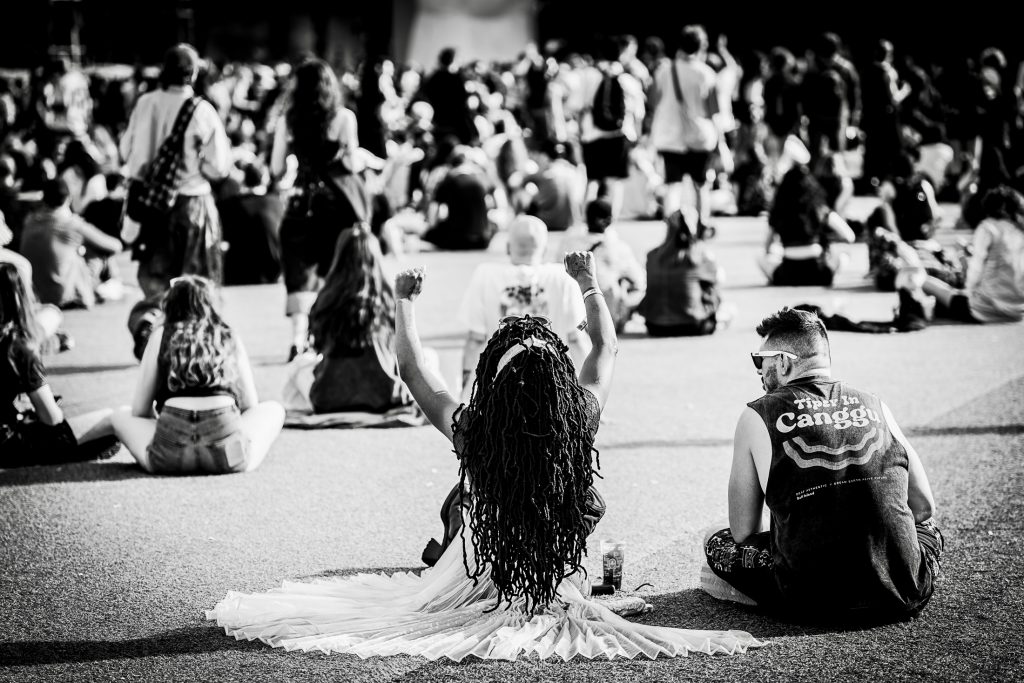
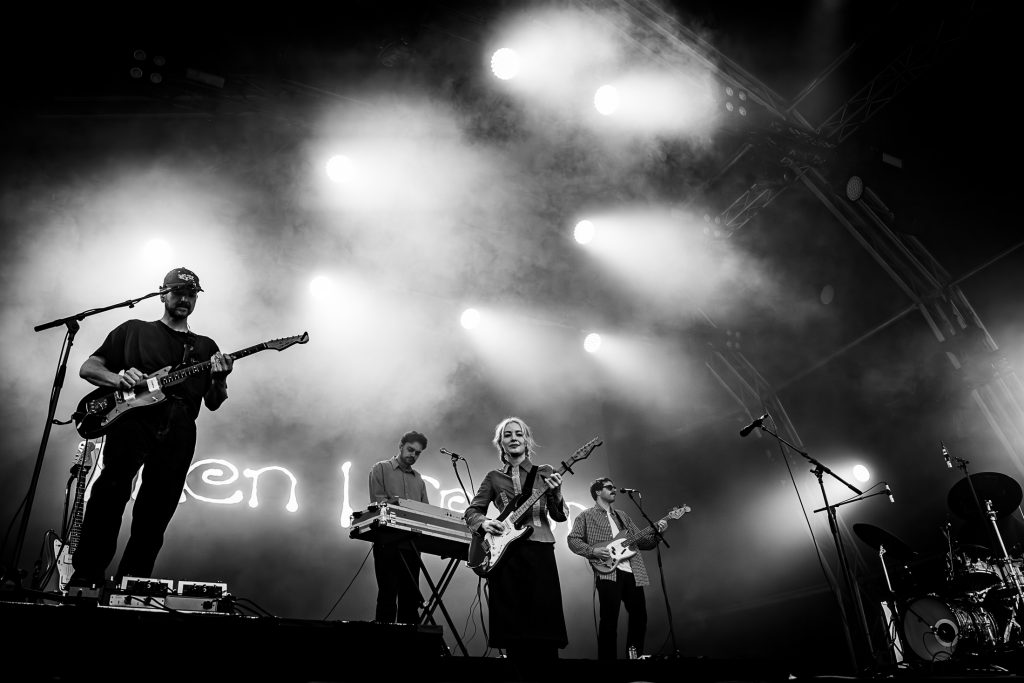
On the Cupra stage, Men I Trust extended that mood with a beautifully restrained set of dreamlike indie-pop. Their sound felt almost purpose-built for Primavera’s coastal setting, with Emma Proulx’s vocals floating gently above warm, minimal instrumentation as the crowd settled into the opening rhythm of the festival.
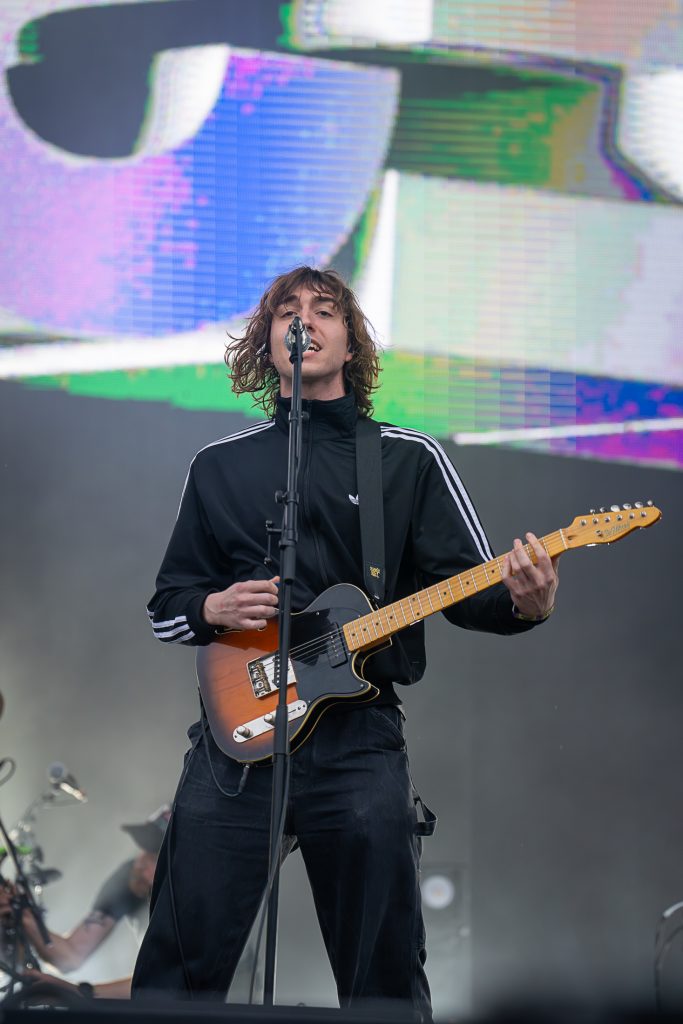
Meanwhile, Geese provided a contrasting surge of energy on the Occident stage. Their performance carried a raw confidence that cut through the calm of the afternoon, with frontman Cameron Winter’s intensity helping turn their set into one of the most gripping of the early schedule.
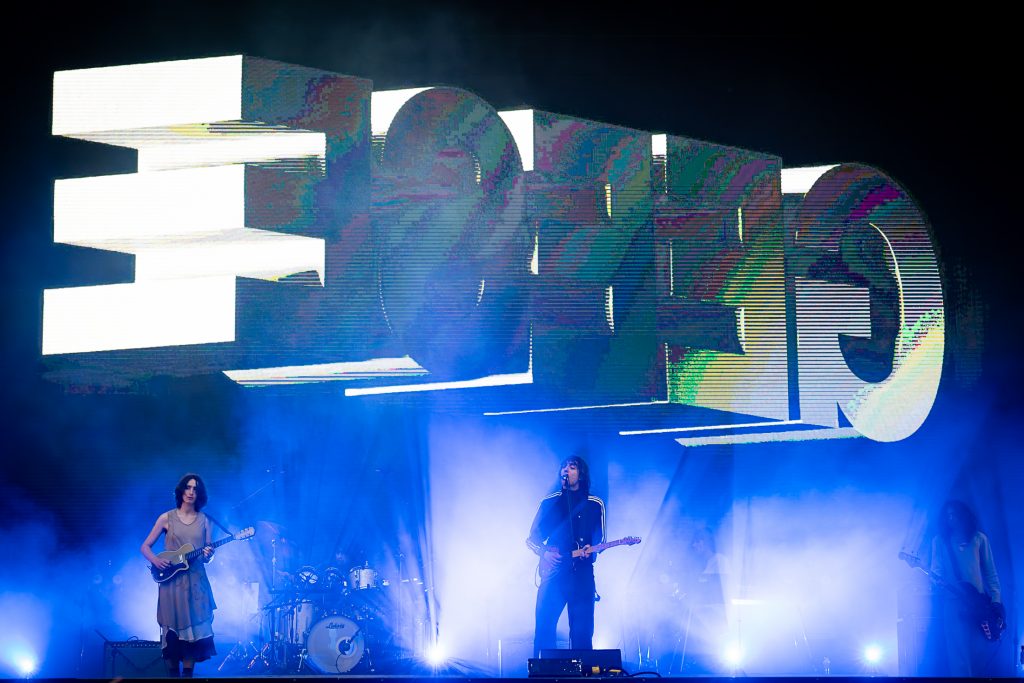
As evening approached, attention naturally shifted towards a heavyweight run of artists across the festival’s largest stages, including Alex G, Mac DeMarco, Doja Cat, Massive Attack and Bad Gyal.
Then the weather arrived. With rain and wind gusts reaching up to 80km/h, organisers activated established safety protocols, leading to the suspension of performances across the main stages. What followed was a surreal shift in atmosphere as thousands of attendees stood in front of screens displaying weather warnings instead of artists, watching the night slowly change shape in real time.
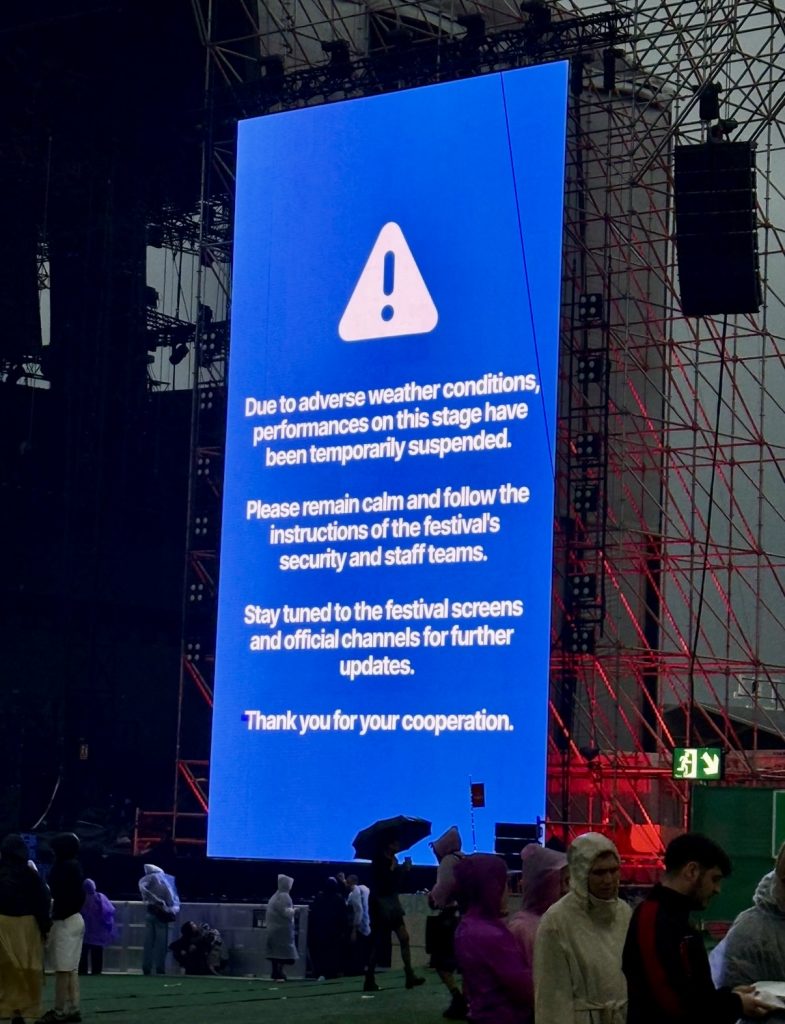
Alex G became the first major casualty of the evening, never making it to stage. Mac DeMarco’s appearance was then cancelled after conditions prevented his team from safely completing the necessary setup on the Occident stage. Organisers continued working closely with the teams behind Massive Attack, Doja Cat and Bad Gyal in an attempt to delay and potentially proceed with the headline performances. At one stage, a revised start time was even announced for Massive Attack, briefly raising hopes that the night might still be salvaged.
But the conditions did not ease. As wind and rain persisted around the most exposed stages, Massive Attack, Doja Cat and Bad Gyal were ultimately cancelled on safety grounds. The disappointment was especially pronounced in the case of Massive Attack, who later explained they had spent months developing a new iteration of their live show specifically for Primavera Sound, including bespoke visual material and carefully constructed additions designed for this performance. Mac DeMarco also expressed his disappointment, reflecting a shared sense of frustration across artists and audiences alike.
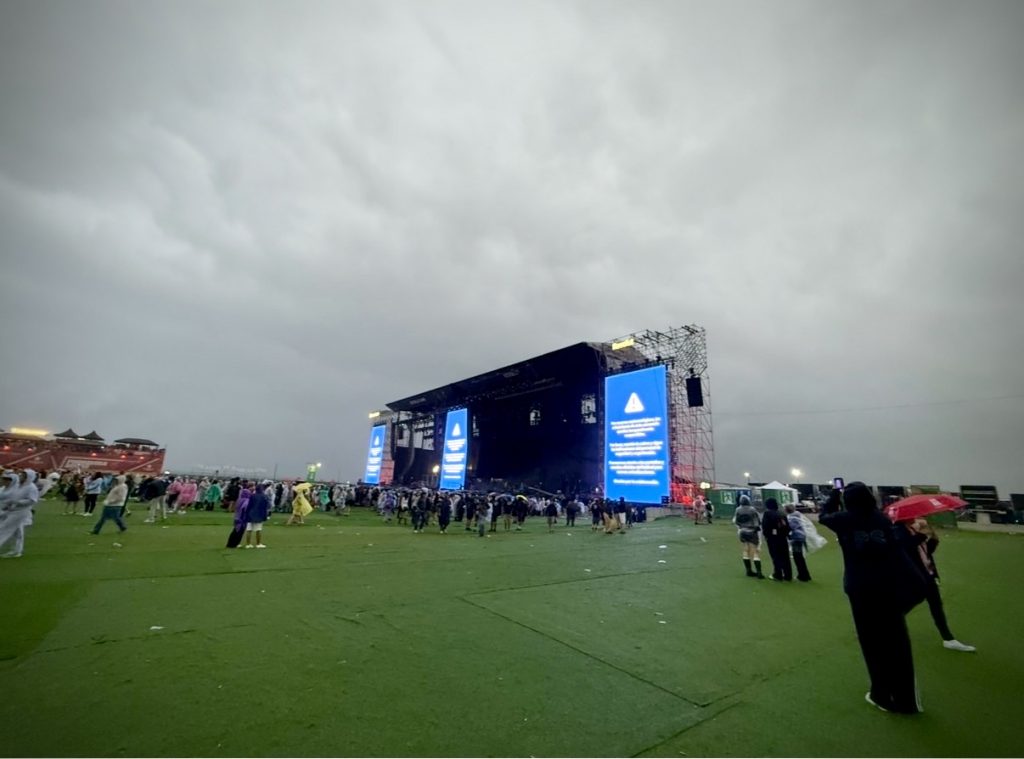
Despite the scale of the disruption, smaller stages continued for part of the evening, and there was very little visible frustration on site. Instead, there was a shared understanding that the situation was beyond control, and attention gradually shifted towards the hope of recovery on Friday.
Friday: From Disruption to Recovery
If Thursday was defined by interruption, Friday was defined by reset. The weather had completely cleared, replaced by dry skies, comfortable temperatures and the familiar ease that defines Primavera Sound at its best. Walking back into Parc del Fòrum, there was a noticeable shift in energy. The site felt lighter, more open, and quietly optimistic.
NewDad opened the day with a set briefly interrupted by an unexpected audio issue, a small but slightly unsettling reminder of Thursday’s instability. For a moment, it felt like the weekend’s technical gremlins might be returning. Thankfully, both band and audience handled it calmly, and normal service was quickly restored. Primavera No Sound was not destined to become a thing this year.
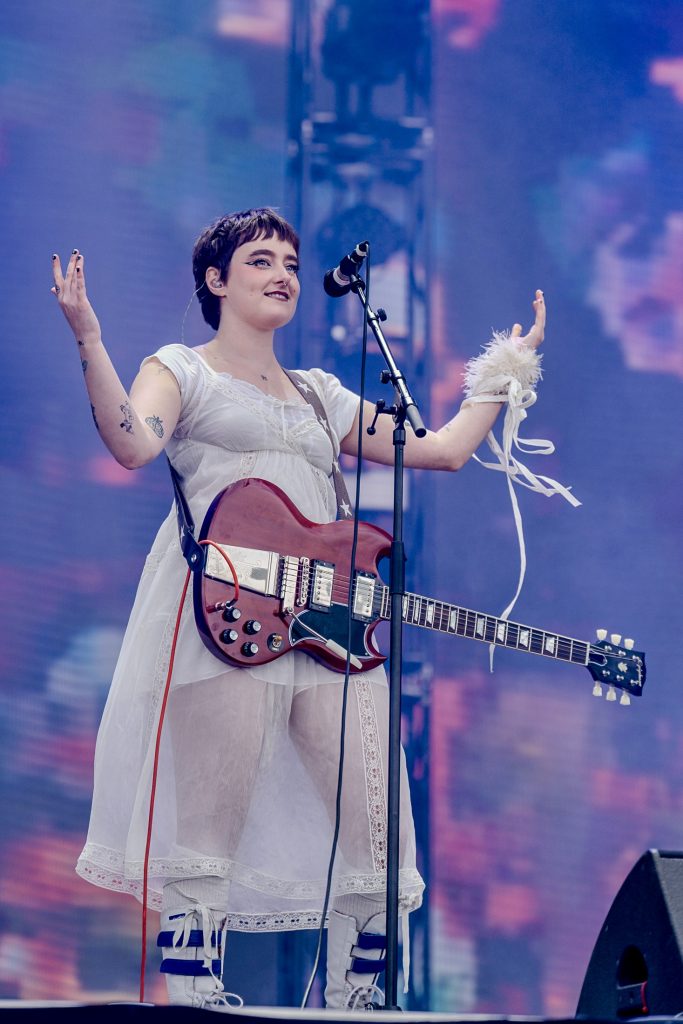
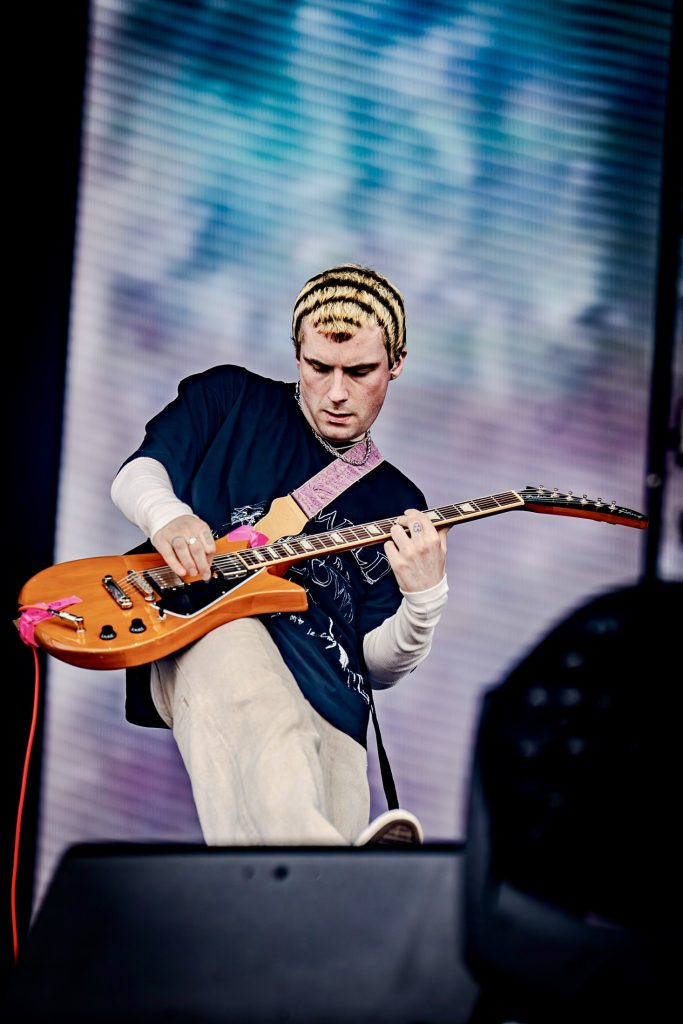
From there, Slowdive delivered one of the most immersive performances of the day, their expansive, layered sound drawing a large and fully absorbed crowd. It was the kind of set that rewards stillness in a festival environment, and Primavera gave it the space it deserved.
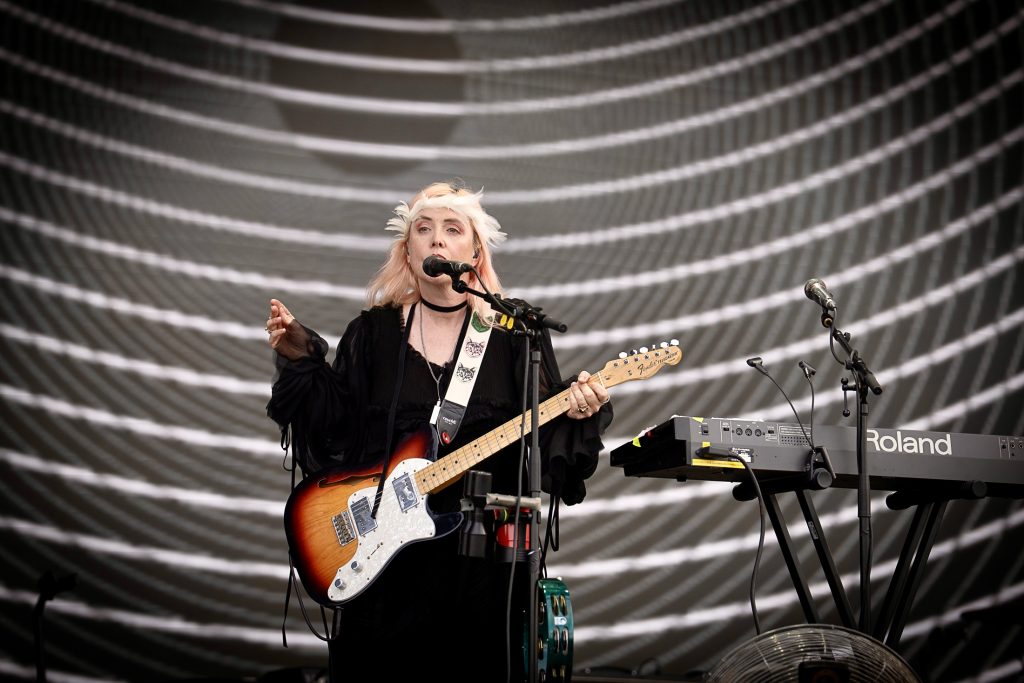
Ethel Cain followed with a commanding performance that balanced scale and intimacy in equal measure, holding a vast audience while maintaining a sense of emotional focus that has become central to her live reputation.
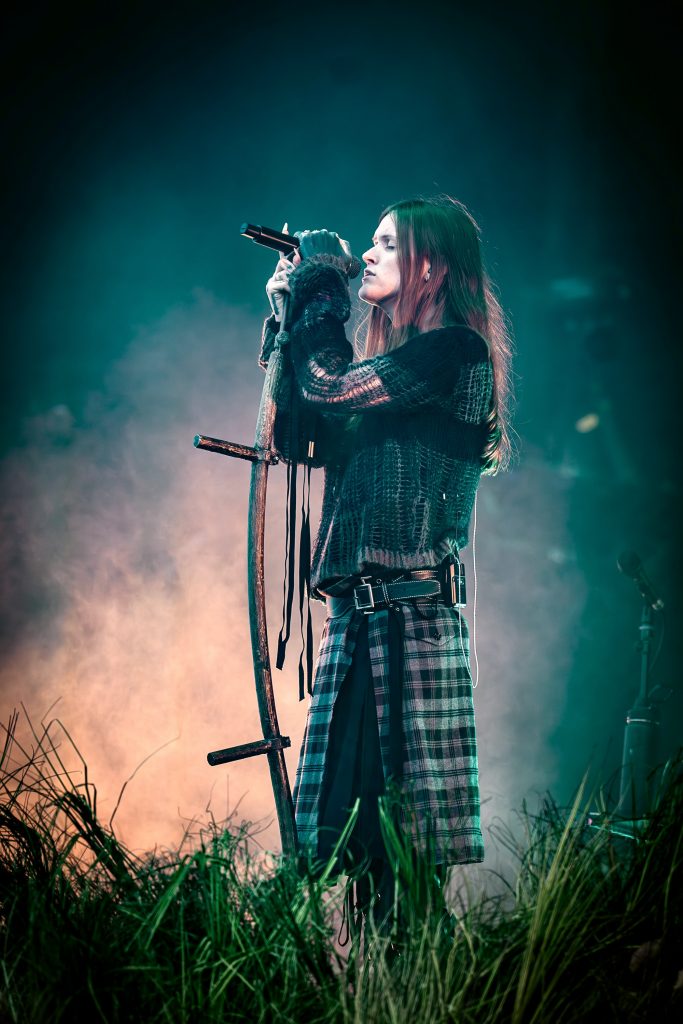
A brief stop at the Plenitude stage for Powder offered one of those smaller Primavera moments that often linger longest, a reminder of how easily discovery happens across the site without planning or expectation.
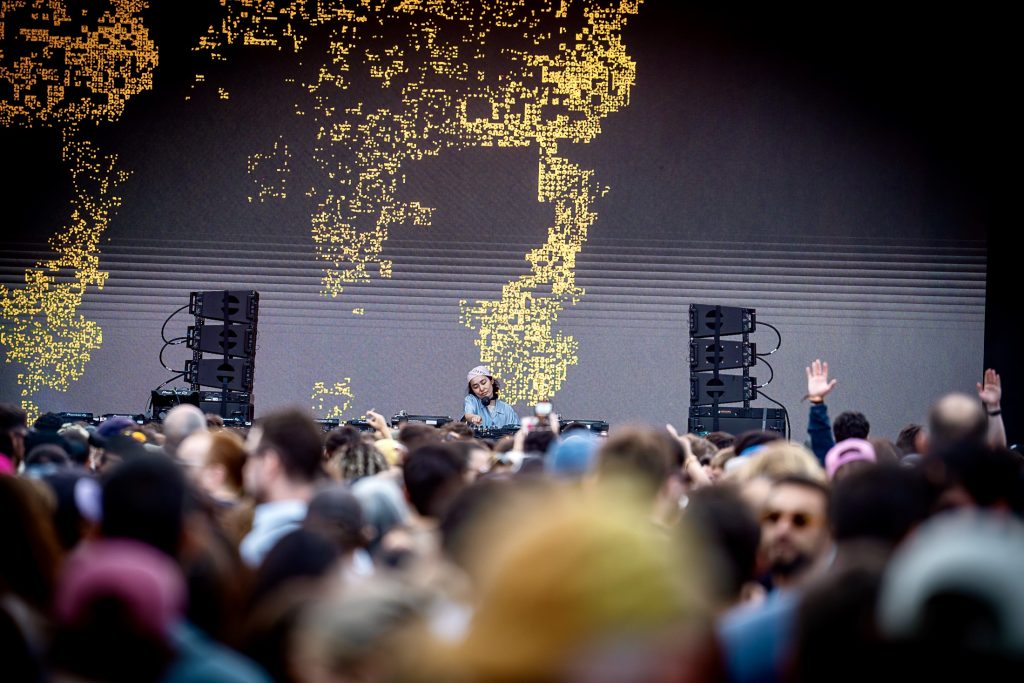
One of the most striking performances of the day came from Addison Rae, whose full-scale production, sharp choreography and sheer confidence turned what might once have been underestimated into one of the most discussed sets of the entire weekend. The reaction peaked when she launched herself into the crowd – a moment that felt both chaotic and completely controlled.
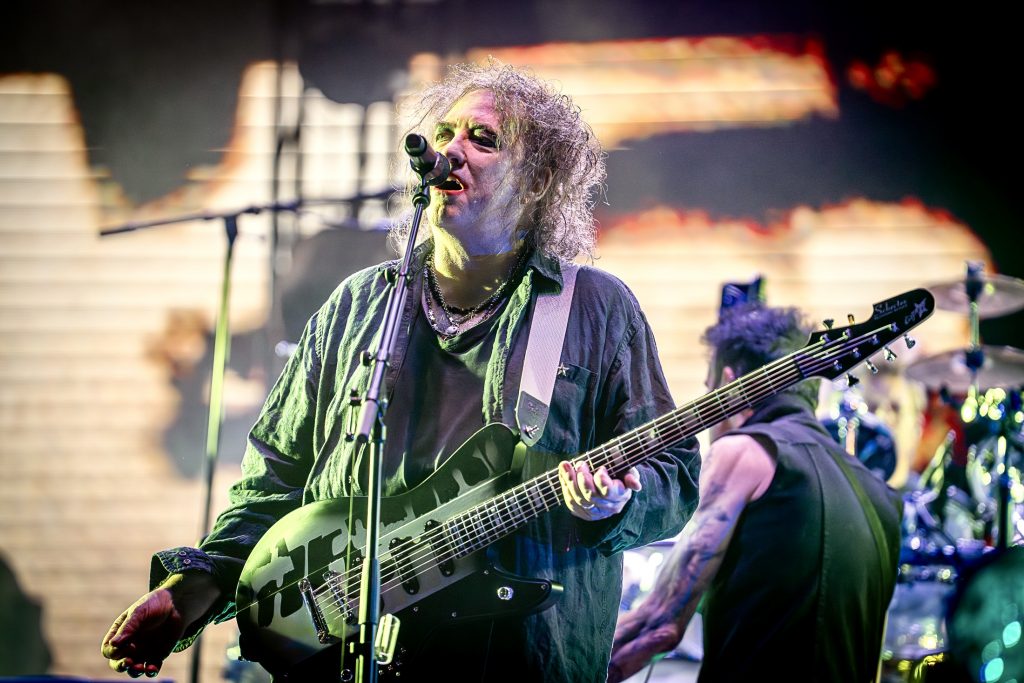
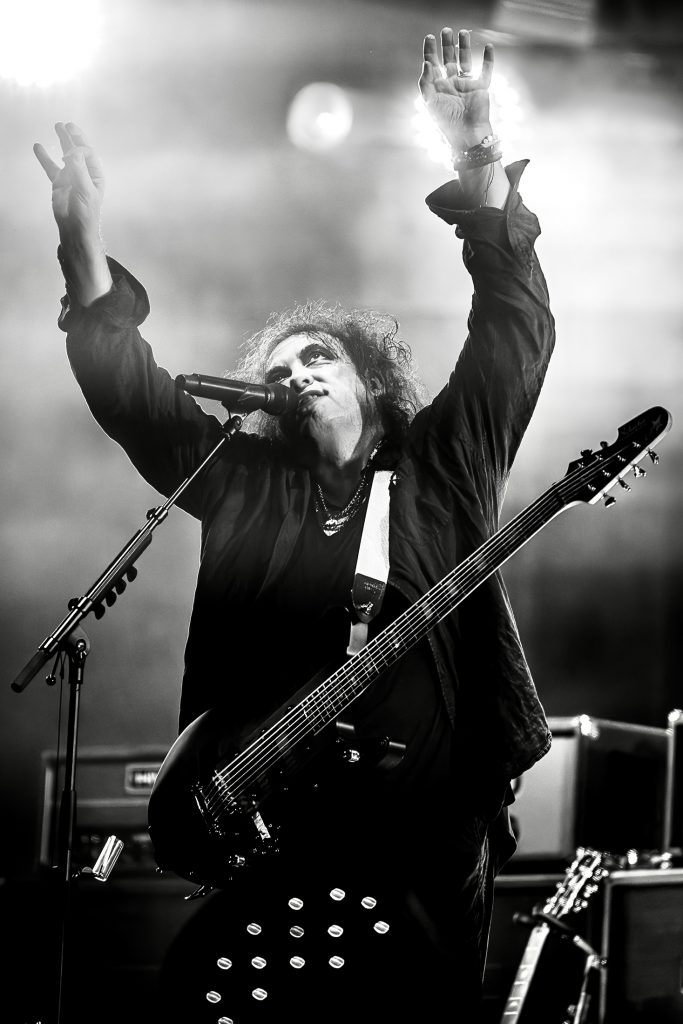
Later in the evening, The Cure delivered a marathon headline set that reaffirmed their status as one of the most important live bands of their generation, with Robert Smith guiding a vast crowd through a performance that felt both monumental and unhurried.
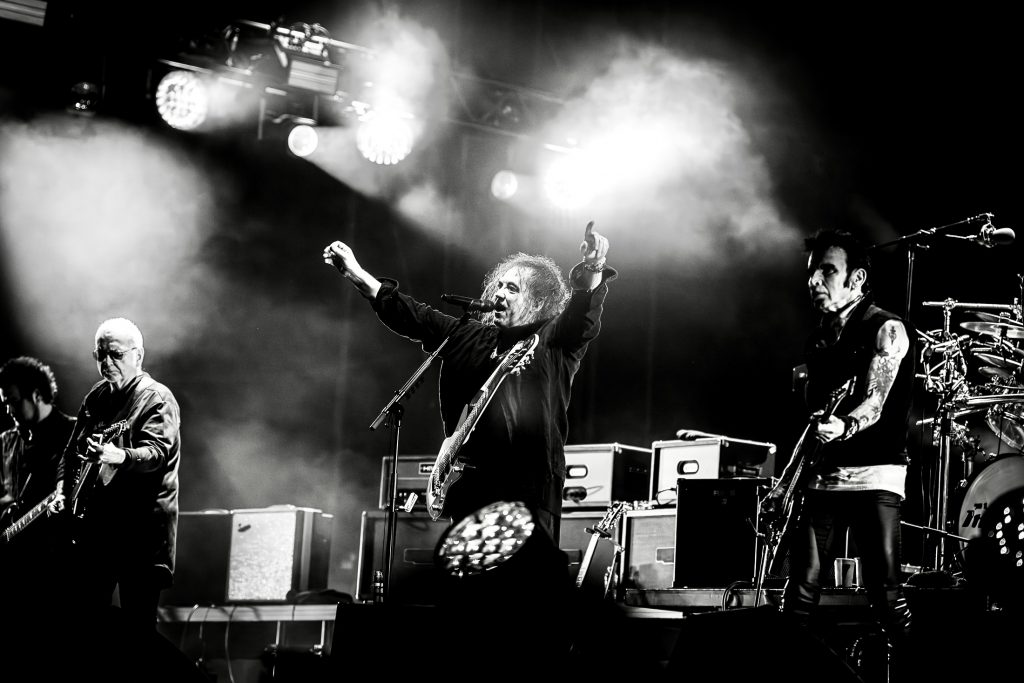
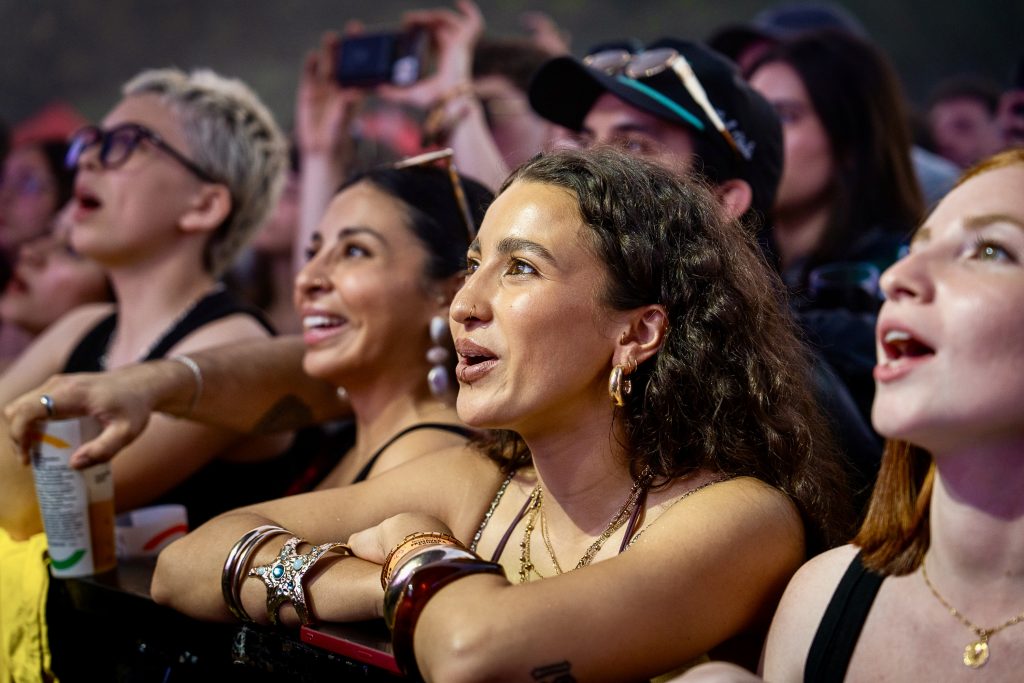
The late-night stretch carried strong momentum, with sets from Jade and PinkPantheress leading into one of the weekend’s most unexpected highlights in the form of Cara Delevingne, who delivered a confident, surprisingly assured festival debut that quickly won over a curious crowd.
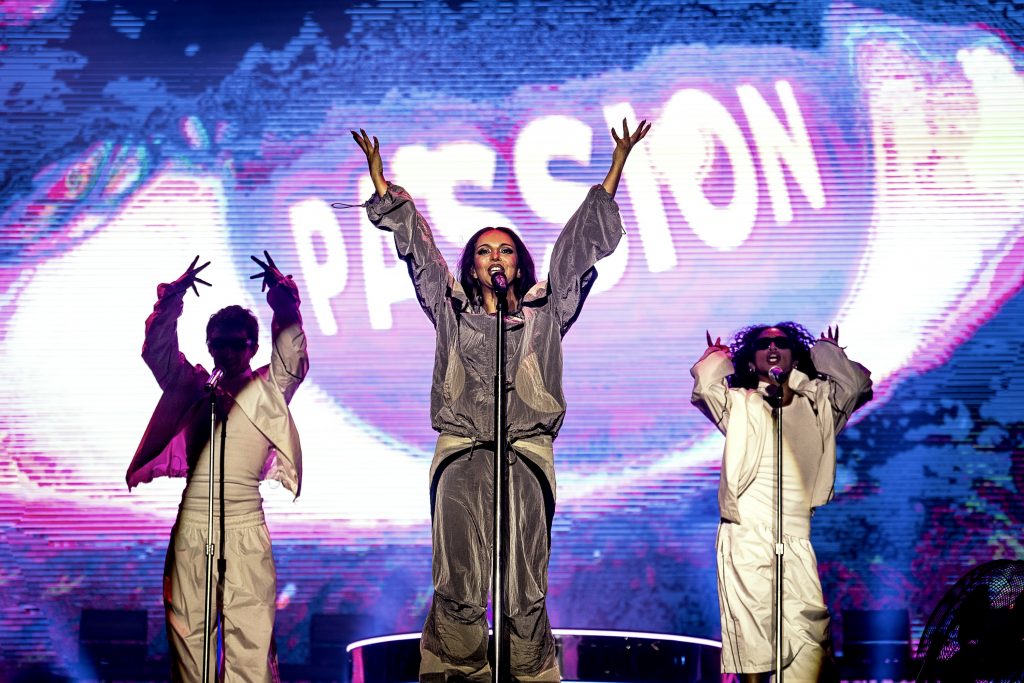
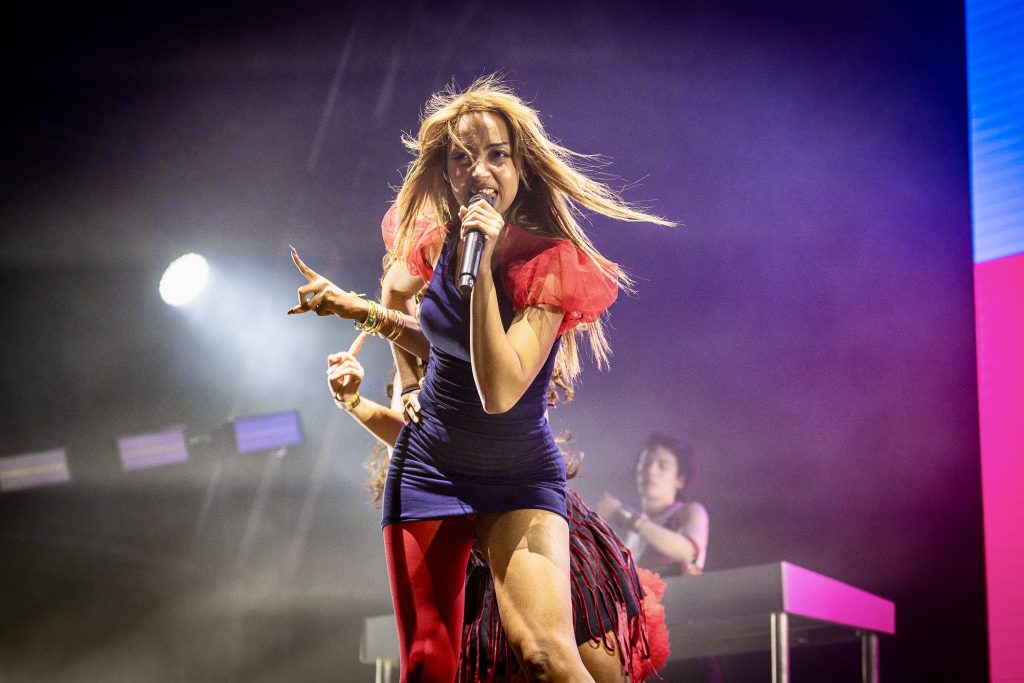
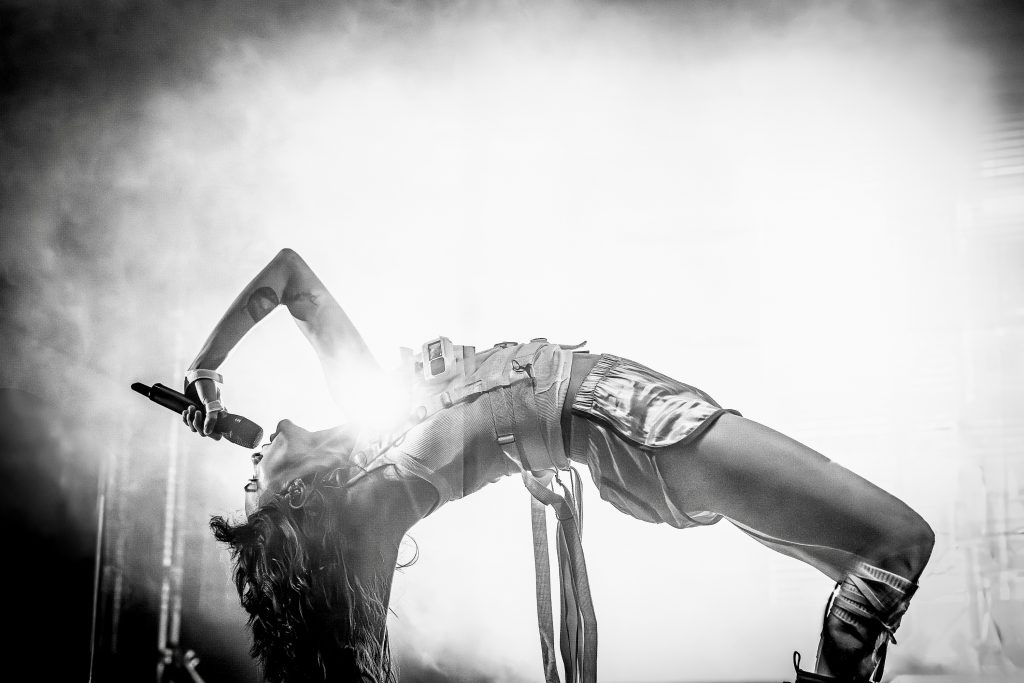
And importantly, as Friday reached its final stretch, a new rhythm had fully taken hold across the site. The atmosphere had shifted so decisively that it felt like the previous day belonged to another festival entirely. By the early hours, the festival was fully back in motion.
Saturday: The Moment the Weekend Peaked
By Saturday, Primavera Sound 2026 had settled into full stride. Crowds were larger, movement across the site felt fluid and easy, and there was a growing sense that the weekend was building towards something significant.
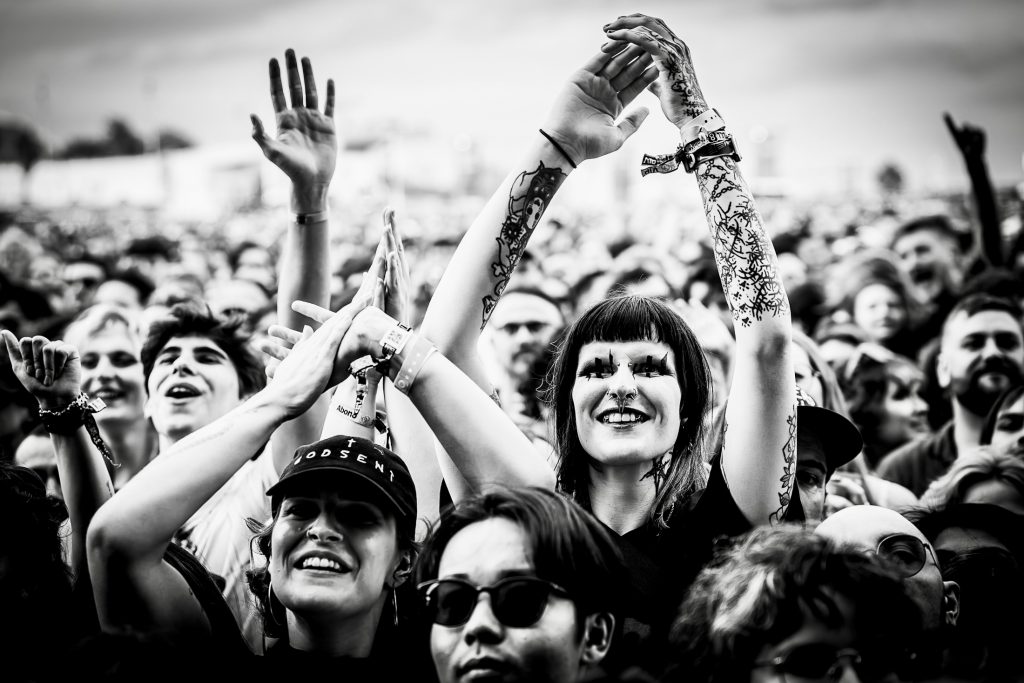
In the lead-up to the night, speculation around Olivia Rodrigo intensified after she posted an image featuring Primavera’s Barcelona signage, before the festival officially confirmed her appearance later that day. What began as rumour quickly became one of the most anticipated moments of the weekend.
Earlier in the evening, Ashnikko delivered a high-energy set on the Occident stage, while Smerz and Rusowsky reflected the festival’s ability to move between scale, intimacy and experimentation within a single run of programming.
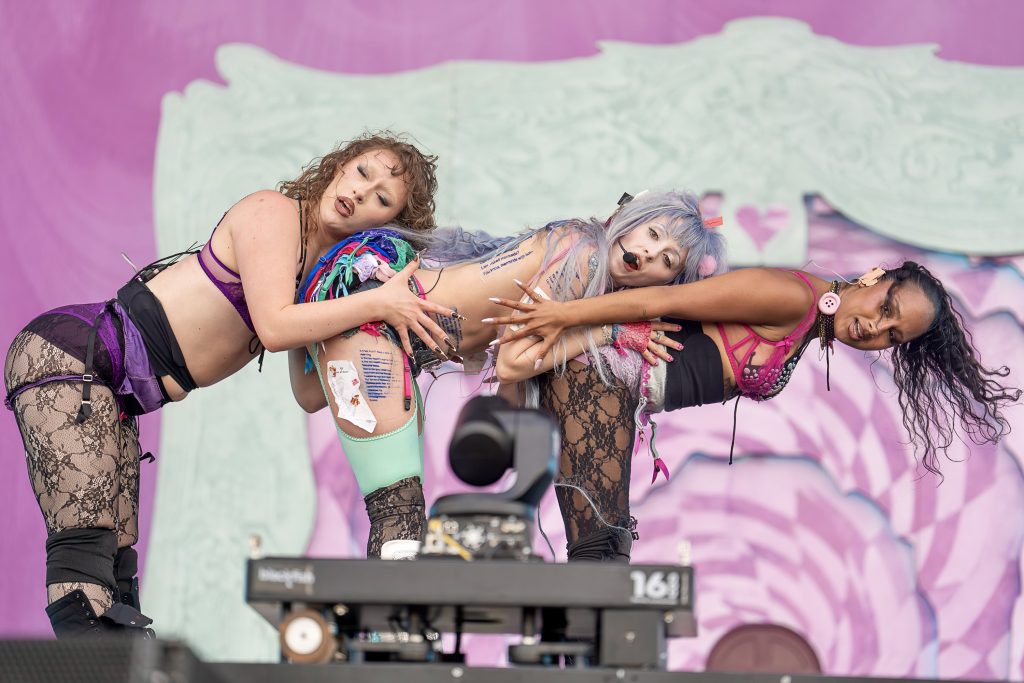
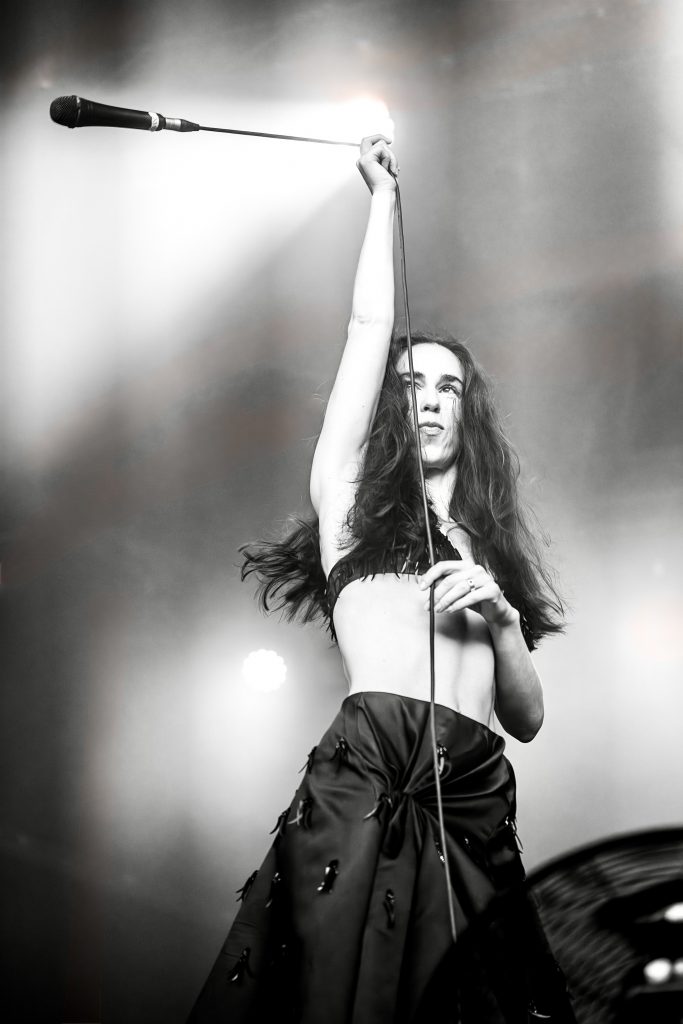
At 22:25, Olivia Rodrigo took to the Occident stage for what would become the defining performance of the entire weekend. From the outset, the reaction was immediate and total. Mixing fan favourites with new material from her forthcoming third album, she delivered a performance that felt fully aligned with the scale and expectation surrounding it.
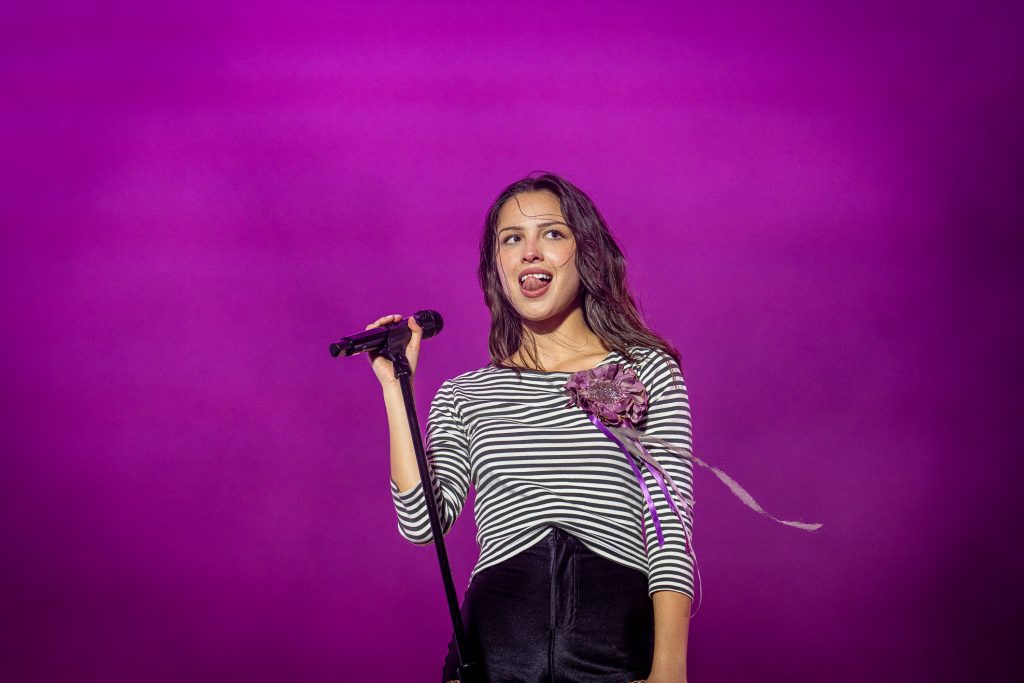
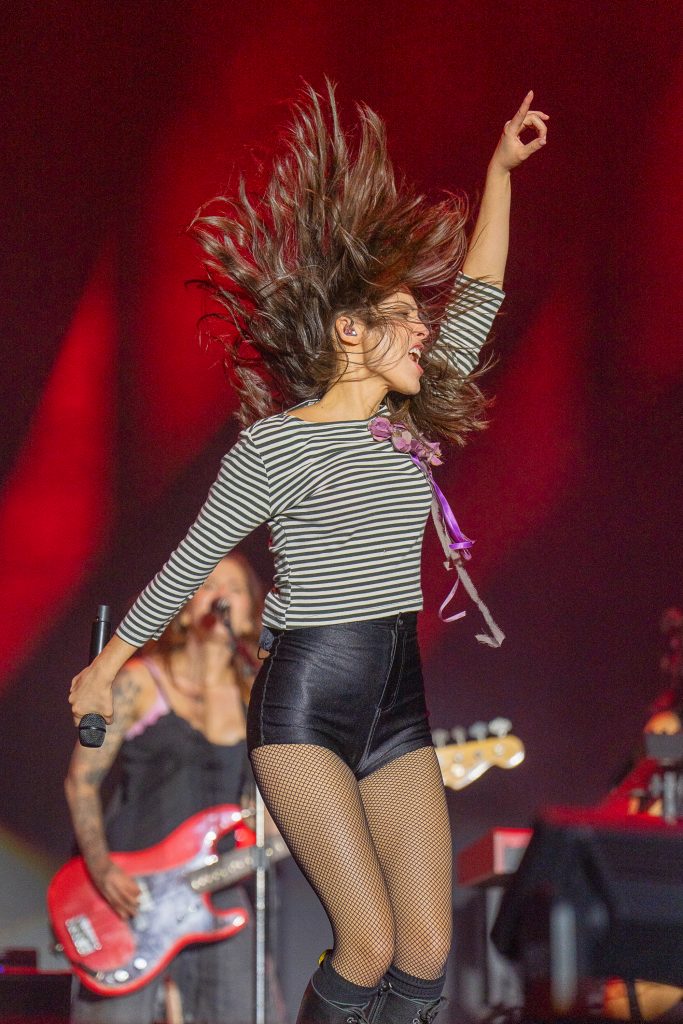
Then came the moment that would define Primavera Sound 2026. Introducing her new collaboration, What’s Wrong With Me, Rodrigo brought out Robert Smith of The Cure. The reaction was instantaneous and overwhelming.
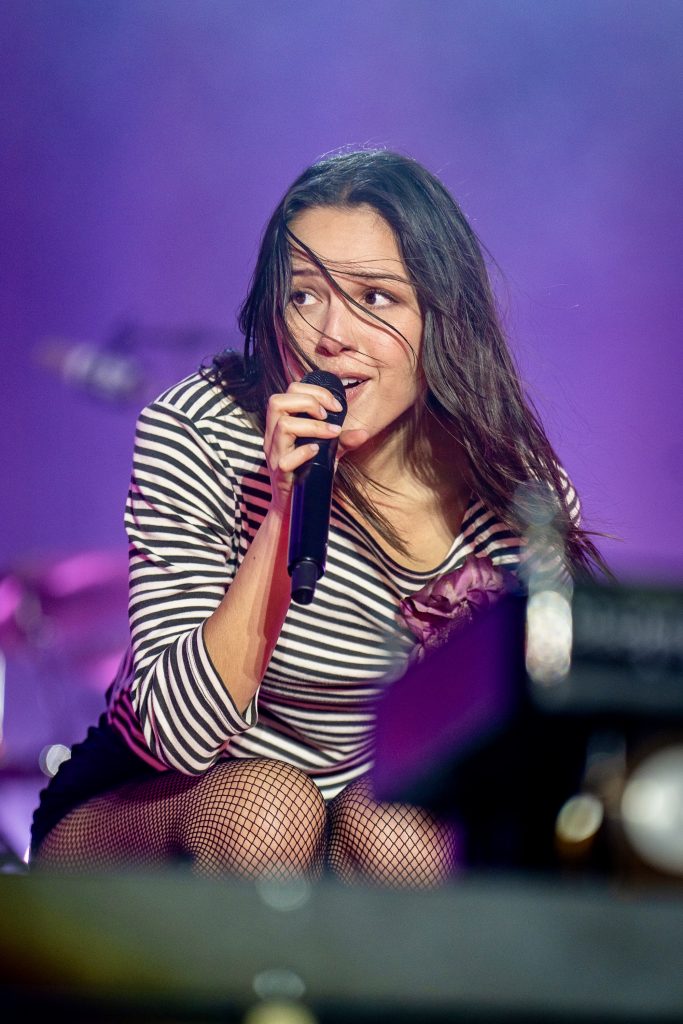
Coming less than 24 hours after The Cure had delivered their own marathon headline set, Smith’s return in this context created a rare kind of Primavera moment: unplanned, unrepeatable and instantly historic in the atmosphere it generated.
Elsewhere, Joey Valence & Brae turned the Schwarzkopf stage into one of the weekend’s most chaotic late-night pockets of energy, while Marina delivered a polished, crowd-focused set on the Occident stage.
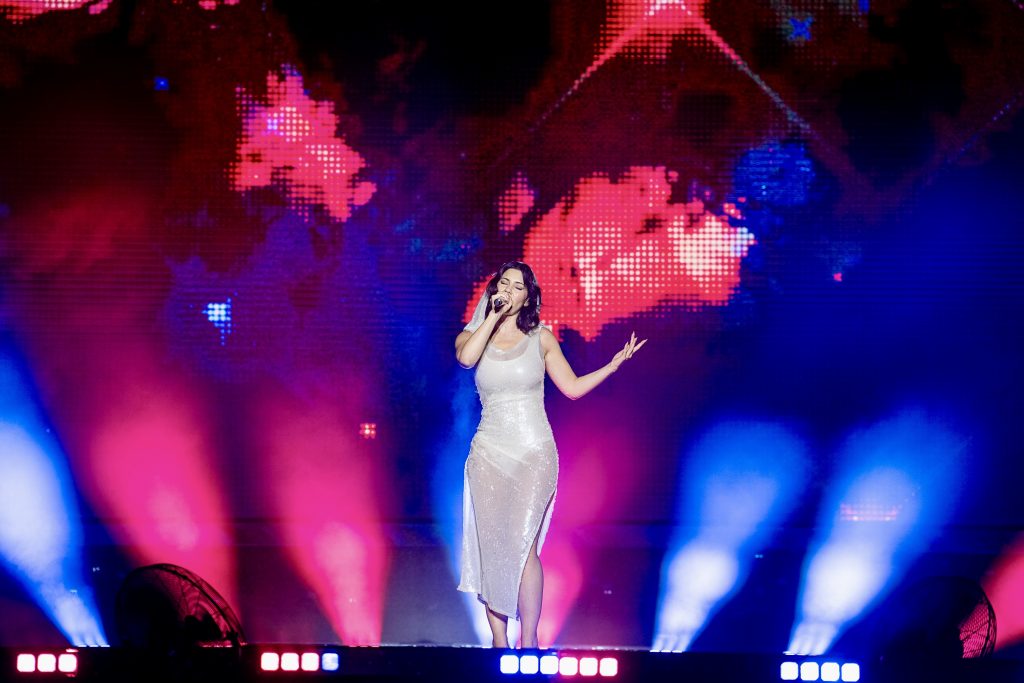
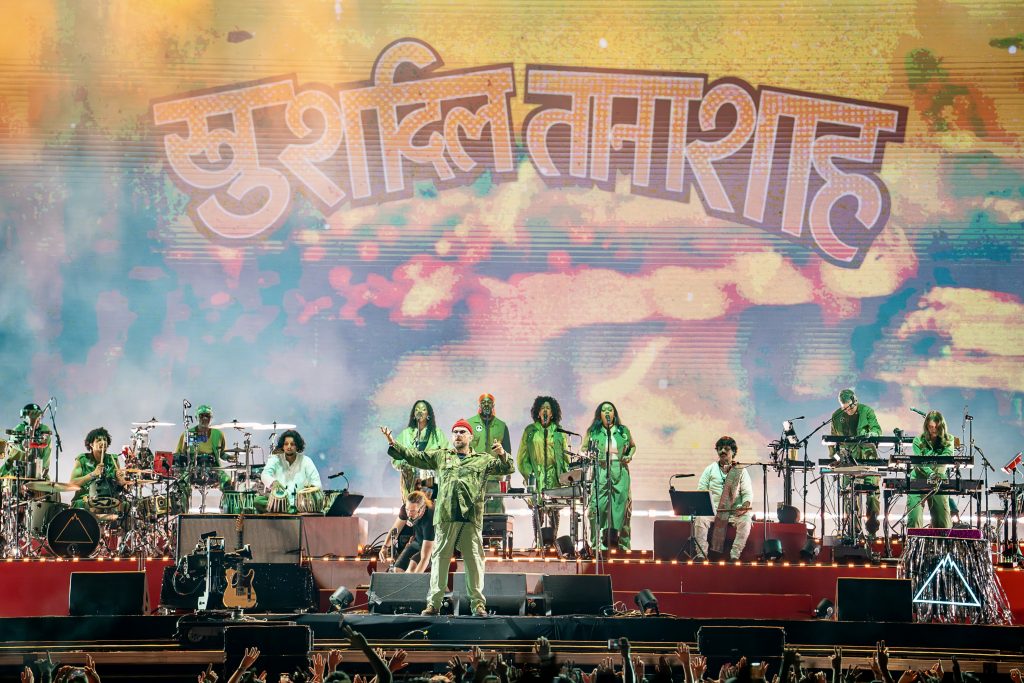
One of the final major performances of the weekend came from Gorillaz, who closed the Estrella Damm stage with a visually rich, expansive set that felt like a fitting late chapter rather than a hard stop. The three days at Parc del Fòrum concluded shortly afterwards. However, the festival continued into the early hours, with Peggy Gou delivering an extended dawn set on the Cupra stage from 4:15 am through to sunrise, extending Primavera Sound 2026 into its final hours in signature late-night fashion.
Final Thoughts
When storms swept through Barcelona on Thursday evening, Primavera Sound 2026 looked at risk of being defined by circumstances outside of its control – instead, what followed was a weekend shaped by recovery, momentum and a series of defining musical moments.
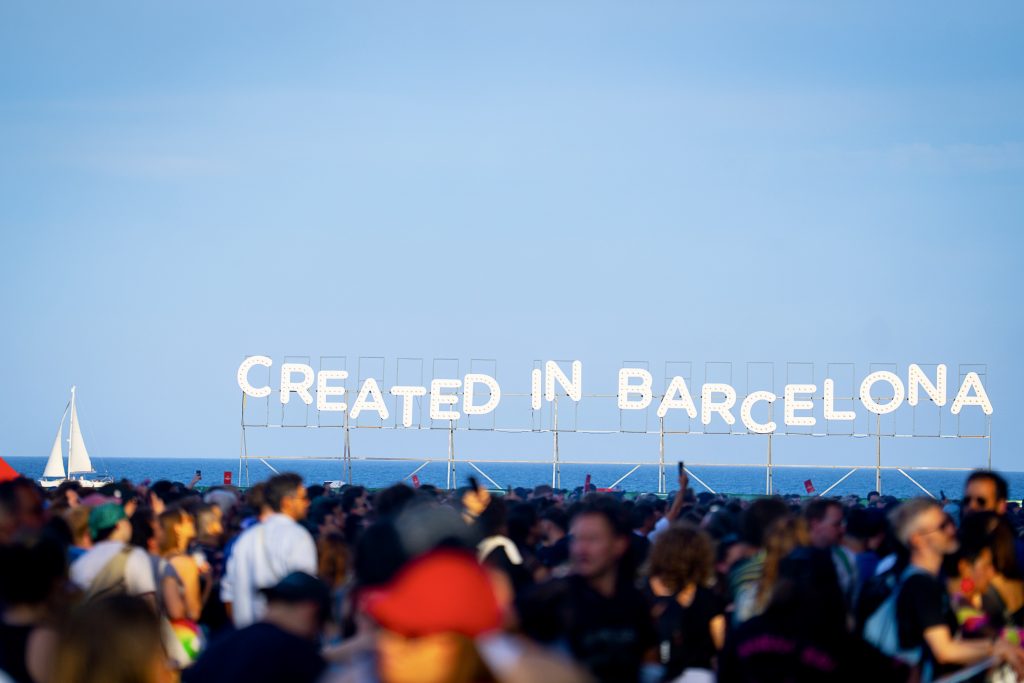
From early highlights by Blood Orange, Men I Trust and Geese, through Friday’s full-scale resurgence led by Slowdive, Ethel Cain, Addison Rae and The Cure, to Saturday’s defining collaboration between Olivia Rodrigo and Robert Smith, the festival ultimately reaffirmed its place as one of Europe’s most ambitious and unpredictable live events.
The weather may have shaped the opening chapter, but it was the performances that defined everything that followed.


