


Primavera Sound returns to Barcelona in 2026 with a line-up that feels perfectly timed for a summer without Glastonbury.
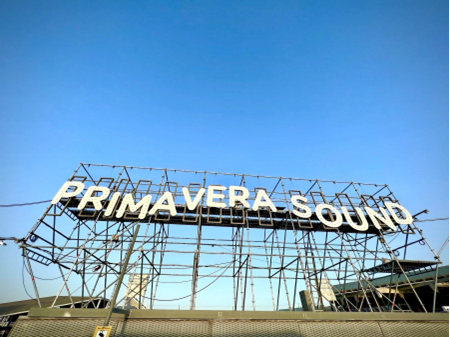
For UK festival-goers facing a fallow year, the Parc del Fòrum offers a compelling alternative, a week-long festival programme that builds from an opening day included within the festival itself, into three packed nights of world-class music on the Mediterranean coastline.
That opening day sets the tone early. Wet Leg, Yard Act and Guitarricadelafuente headline the 3 June launch, which is open to festival ticket holders, easing the city into the weekend before the main programme begins and giving early arrivals a chance to settle into the rhythm of the festival.
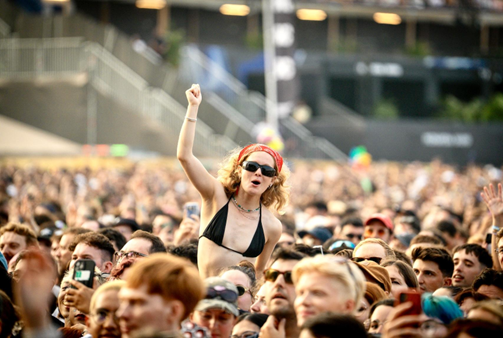
From there, Primavera leans into contrast rather than a single defining statement. Thursday’s opening night pairs Doja Cat with Massive Attack and Bad Gyal, a mix that captures the festival’s ability to move between global pop, trip-hop legacy and club-ready energy without missing a beat. Friday shifts again, with The Cure bringing timeless alternative weight alongside Skrillex and Addison Rae, while Saturday arguably delivers the most quintessential Primavera balance, with The xx, Gorillaz and My Bloody Valentine sharing top billing across a night that blends introspection, spectacle and noise.
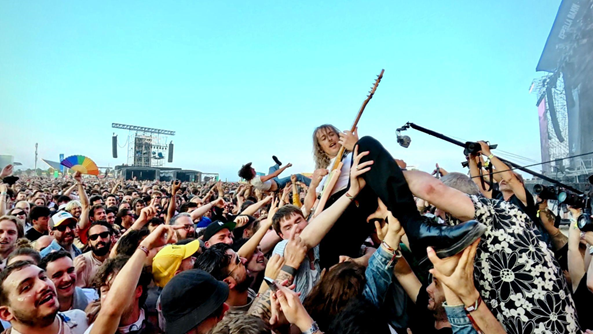
It’s a line-up built on range, but also on real intent. Primavera has long been known for its curation, and this year’s headliners reflect a festival confident enough to span generations and genres while maintaining a clear identity.
As ever, the real strength lies beneath the top line. Thursday’s run through Mac DeMarco, Father John Misty and Blood Orange offers a strong indie core, while Overmono and Ben UFO anchor the electronic side of the bill. Across Friday, PinkPantheress, Ethel Cain and Slowdive create a more atmospheric through-line, sitting alongside the raw edge of Viagra Boys and the experimental reach of artists like Sama’ Abdulhadi. By Saturday, the depth is undeniable, with Little Simz, Big Thief and Kneecap bringing urgency and variety, while Peggy Gou drives the late-night energy.
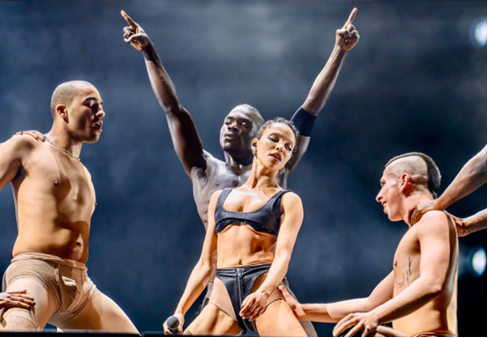
There’s also a sense of balance between returning favourites and newer voices. Acts like Panda Bear and Rilo Kiley add a layer of cult appeal, while names such as Lola Young, Lambrini Girls and Geese continue Primavera’s track record for spotlighting artists on the rise before they fully break through.
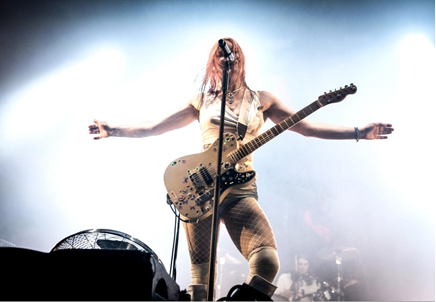
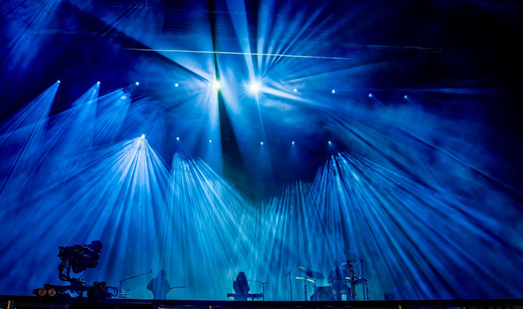
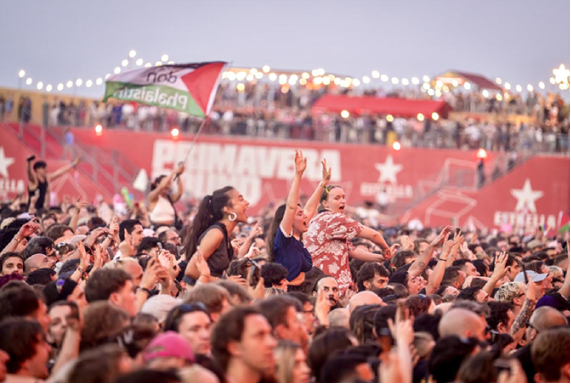
Beyond the music, Primavera’s city setting remains central to its appeal. There’s no camping, no mud, and no long treks between distant arenas. Days can start with coffee in the Gothic Quarter or time on the beach before shifting to late afternoons at the Parc del Fòrum, with sets rolling into the early hours against a coastal backdrop. The site itself, all open concrete and sea views, feels purpose-built for golden hour performances and late-night electronic runs, with the sea breeze often carrying the sound well into the night.
For UK travellers, it’s an easy shift in mindset. Direct flights into Barcelona make it a straightforward trip, but there’s also growing appeal in stretching the journey. Travelling via Madrid and continuing by train has become an increasingly popular option, turning the festival into part of a wider summer experience rather than a quick in-and-out weekend.
Demand remains as strong as ever, with Primavera Sound 2026 already sold out, underlining its status as one of Europe’s most in-demand festivals.
In a summer without Glastonbury, Primavera Sound makes a convincing case for looking further afield. For those willing to swap wellies for sea air, it offers not just a stacked line-up, but a different way of doing festivals, one that blends music, city and culture into something far more immersive than the usual field in the UK.


