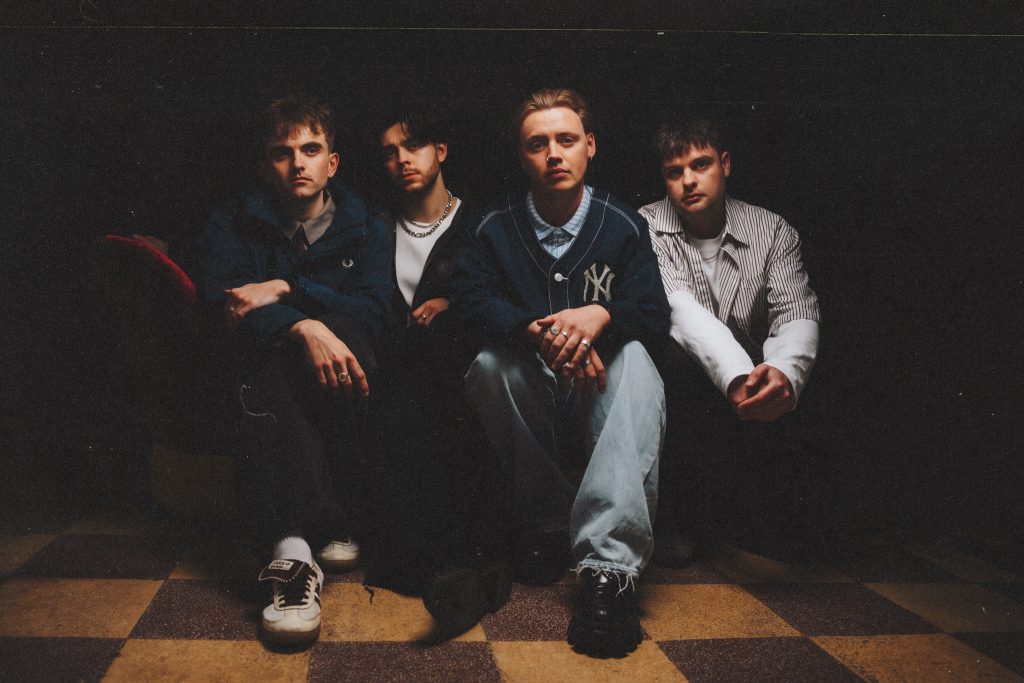
For a band seven years into their journey, And I’d Do It Again does not sound like a debut album made under pressure. Instead, it’s a perfect product of time: time spent reflecting, experimenting, and unlearning the sense of urgency often associated with early records.
Reading-based, Only The Poets have openly spoken about how this album came together without rigid deadlines and algorithm-driven goals, allowing it to be shaped by instinct and space. That creative freedom is evident throughout, as the songs feel lived-in rather than overworked, intentional without being forced – they are the ones that matter most.
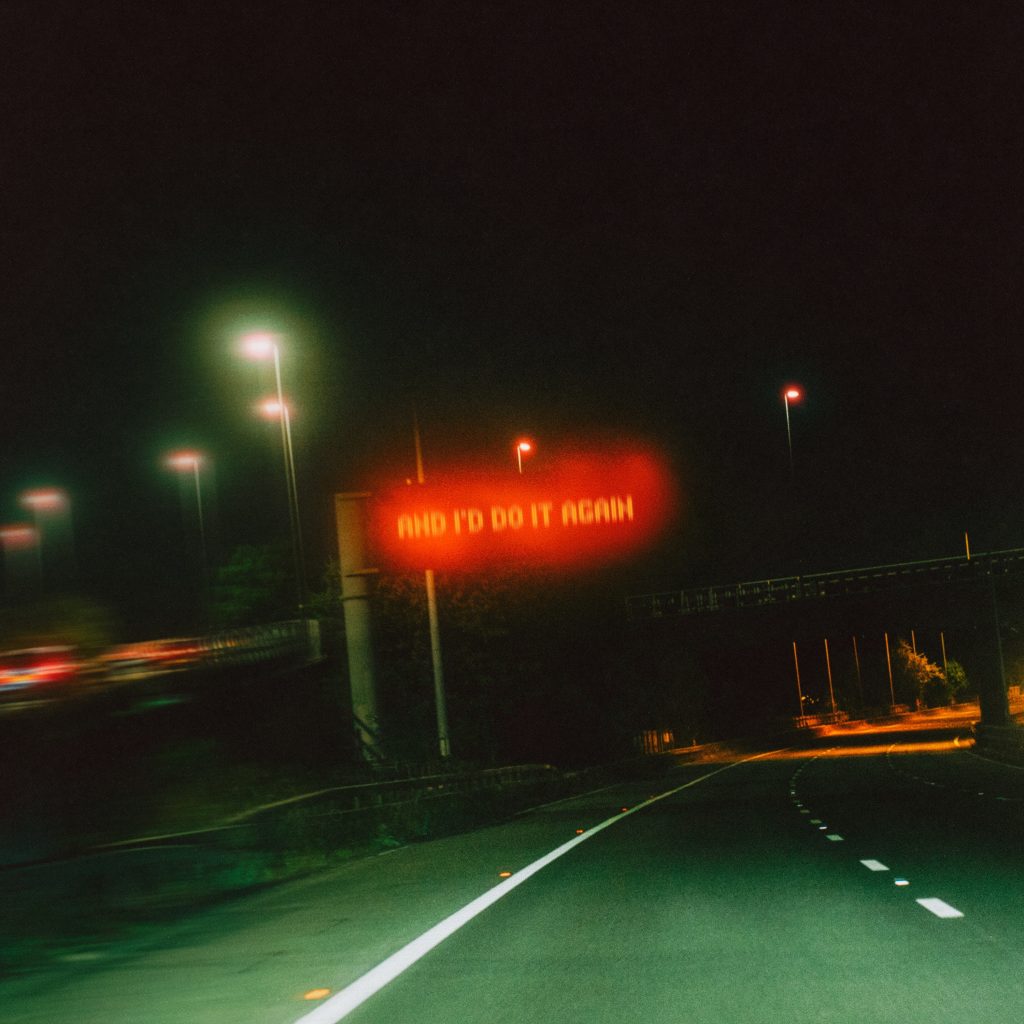
Sonically, And I’d Do It Again marks a clear step towards a broader alternative pop palette. Across 14 tracks, the influences emerge subtly rather than overtly: the shimmer and emotional maximalism of The 1975, the intimacy of early 2000s R&B, hints of Britpop melodicism, and the cinematic polish of modern alt-pop. As drummer Marcus Yates has stated, writing the album wasn’t about doing something entirely new, but about figuring out “who we are and where we stand.” That sentiment allowed experimentation over trend-chasing to guide the process.
The album opens with its title track, And I’d Do It Again, a warped, cinematic instrumental that sets the emotional tone without a single word. Short but impactful, it builds tension and anticipation, much like the opening moments of their live shows. The instrumental drifts in and out like a memory replaying itself, serving as both introduction and thematic anchor: looking back without regret. Frontman Tommy Longhurst calls the album a “time capsule” of the band’s journey, folding every risk, sacrifice, and moment into one cohesive body of work.
That reflective lens sharpens on Monumental, the final single before the album’s release. A breakup song that blends Clem Cherry’s tender acoustic guitar opening with arena-ready ambition, it showcases gang vocals swelling beneath the chorus and echoing production choices that evoke the communal energy of the band’s live shows. The lyric “Oh but losing me was monumental” lands not as a taunt, but as a moment of self-realisation, which begins the recurring theme across the record. Longhurt’s vocal delivery feels more mature, controlled, and confident, no longer relying on sheer urgency to carry emotional weight.
A defining strength is the band’s ability to balance pop immediacy with lyrical vulnerability. Emotionally Hungover exemplifies this, built on syncopated rhythms and crisp production that could easily be mistaken for a classic pop hit. However, the lyrics reveal something far heavier. Longhurst has described writing the song during a period of emotional suppression, calling it a form of therapy. The line “Yesterday I poured my whole heart out, I did / Now you’re asking me how I’m feeling / And it’s honestly like I’m grieving” captures the emotional burnout that follows vulnerability, a feeling that is rarely articulated so plainly.
This interest in emotional juxtaposition resurfaces in Thinking Bout Your Ex, a track rooted in male insecurity, self-sabotage, and post-breakup paranoia. Sonically, it leans into woozy, late-night 90s R&B textures – deliberately uncluttered. This minimalism lets Longhurt’s vocals sit exposed at the centre. Only The Poets have acknowledged the discomfort to admit this kind of jealousy from a male perspective, and this honesty is what gives the song its quiet power. While the sparseness may leave listeners hoping for a bigger payoff, the restraint is purposeful, mirroring the thought loops it describes. In moments like this, the band prioritises authenticity over excess.
Elsewhere, Saké pivots sharply in tone. Atmospheric and bathed in neon-lit grooves, it’s a slinky after-dark track driven by Andy Burge’s bass. Longhurst calls it one of their sonically bravest songs, leaning into a more commercial, groove-focused sound. Lyrically lighter than much of the album, it highlights Only The Poets’ growing confidence to experiment with texture and sound without overloading every song with meaning.
This experimentation pays off most convincingly on You Hate That I’m In Love, the album’s strongest single. Written from the unconventional perspective of the one who leaves a relationship, it captures the emotional dissonance of guilt, relief, and confusion in an intoxicating pop soundscape. “You think it’s easier on this side,” Longhurst has said, “but it isn’t.” Shimmering synths, dynamic tempo shifts, stadium-sized hooks, and a towering chorus create cinematic scope, while the bridge – reworked multiple times according to the band – delivers one of the album’s most cathartic moments. Devastating in its restraint, the song ultimately reinforces how effective the band can be when they trust their instincts.
The album’s unreleased tracks reveal a quieter and more introspective side of the band. In particular, Madeline strips everything back, confronting emotional avoidance and the fear of being alone with near-uncomfortable intimacy. Recorded with a sense of distance, almost as if the vocals are removed from the listener, the song feels intentionally unresolved. Here, there’s a fragility that suggests restraint rather than incompleteness, though its sparseness may divide listeners. Nonetheless, the band has previously spoken about letting songs “breathe” rather than forcing them to be something bigger; Madeline falls perfectly under this philosophy.
The latter half of the album feels like a statement of arrival, ramping up intensity and showcasing Only The Poets’ growth as producers, songwriters, and performers. Freeze and Say move into dynamic territory, both shaped heavily by live considerations. Freeze is bass-forward and bold, with filtered vocals and echoing textures that create a sense of suspended time, describing the wish to hold onto moments before they slip away. Meanwhile, Say is built around longing and emotional bargaining, delivering one of the record’s most striking structural moments: its bridge collapses inward, then surges back with renewed intensity. The final chorus, layered with stunning ad-libs and a mashup with the bridge, melts beautifully into the next track, reflecting how deeply the band’s live experience informs their writing and production; it’s only a matter of time until these songs are truly lived in person.
God Knows Where You Were radiates gratitude and joy, pairing syncopated chants with intricate harmonies and buoyant rhythms. It’s a jubilant anthem celebrating connection – romantic or platonic – and will undoubtedly become a crowd favourite at live shows. The lyrics capture the serendipity of finding connection in unexpected moments: “God knows where you were / Right when I need ya / Pull me from the deep end / You make it look easy.” Burge calls the album a “soundtrack to every aspect of life,” and this track epitomises this sentiment: euphoric without being naïve, celebratory without excess, leaving listeners yearning to hold onto that feeling forever.
The band’s sonic evolution continues with Don’t Wanna Know and Bad, where piano, jazz-tinged chords, and darker textures are at the forefront. Whereas Don’t Wanna Know uses layered synths and piano to explore the choice to disconnect for self-preservation, Bad dives into frustration more deeply than before. Teased at their Experience The Future shows nearly a year ago, Bad does not disappoint in its studio production, oozing with sultry, shadowy “badness” that feels darker and more daring than anything Only The Poets have released before. These tracks showcase Longhurst’s strongest vocal performances to date, even if their structures occasionally feel restraining of their emotional potential – moments where a bridge or extended chorus could have deepened their emotional impact. Nonetheless, they underline the band’s growing confidence as producers, with Yates and Cherry taking a more hands-on role in shaping the album’s sound.
Lead single I Keep On Messing It Up remains the clearest distillation of the album’s ethos. Bright, bouncy, and infectious with its 80s-inspired synths and piano, the track masks introspection beneath irresistible hooks. Longhurst has described the song as confronting patterns not just in relationships, but across his life – an admission that feels central to the record. The hopeful, upbeat sound juxtaposed with dark lyricism reflects the album’s core theme: recognising mistakes, taking ownership, and finding beauty in the act of trying again.
Closing track ‘Guess She’s Cool’ lingers in emotional limbo: a slow-burning reflection on rebound, unresolved attachment, and emotional denial, it favours vulnerability over closure. While it may not offer the catharsis expected of a final track, its honesty reinforces the album’s commitment to emotional truth over narrative neatness.
Ultimately, And I’d Do It Again is less about reinvention than refinement. Shaped by time, trust, and a deep understanding of what connects the band not only to its audience but also amongst themselves, the album shows Only The Poets stepping fully into an identity they have been crafting for years. As Longhurst has said, if given the chance to change any part of their journey, the answer would be no. This record beautifully captures that belief: every misstep, every breakthrough, and every emotion becomes something shared.