


Not many musical legends still make headlines at sixty-six, at least not for their music, but at the time of writing, Bryan Adams is very much the name on all our lips. Such a phenomenon follows the release of ‘Lake Ontario’, a track from his seventeenth album ‘How’s It Goin’’, which tells an explicitly anti-Trump narrative. Few artists have dared to so overtly tackle Trump’s war in Iran or the President’s alleged name in the Epstein Files, in any way beyond thickly-veiled metaphor.
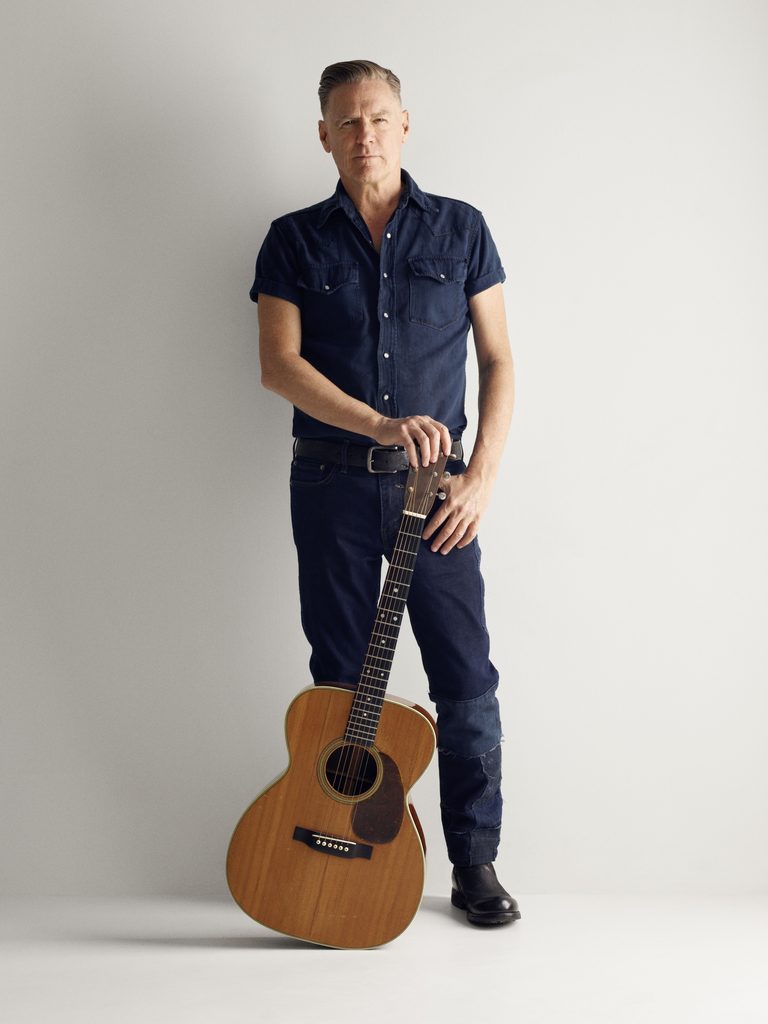
Many artists of Adams’ caliber opt for complacency and the back seat once they hit album seventeen. They decide to sit back, let the world roll on around them, and stick to writing the music everybody knows them for. However, to tackle this twelve-track tribute to Canada’s past and present, Adams has employed the country genre. As a medium, country is new ground for him, but evidently means a lot to him, and feels as deeply relevant as the subject matter, considering country music’s return to prominence over the past few years. Country and rock feel so deeply ingrained in American and Canadian culture that they render their prominence on this record apt, especially on ‘51st state’, a response to Trump’s threats to annex America, written on behalf of the Canadian people: “Out here, we take care of our own,” he says. Although the inherent anti-Trumpism will get people talking most, these songs are also in touch with Canadian history and pride. With each track, you will end up embarking on a fresh Wikipedia rabbit hole, because you will end up learning a lot here.
Perhaps some of these stories will resonate more clearly with Canadian audiences, such as “Highway 16”, a track set in the so-called ‘highway of tears’. This is a place where a lot of women disappeared, particularly indigenous women, and we are obviously expected to draw lines between these historical tragedies and the treatment of indigenous women in Trump’s America. “The Battle of Lundy’s Lane” recalls one of the deadliest battles ever fought in Canada, during the American invasion of the country. There is thick, rich imagery throughout of smoke and earth, and arguably, for an artist so ingrained in UK and US ‘nostalgia radio stations’, writing about something so un-poppish and so unromantic is in itself a very bold move. Adams refers to a historic invasion of Canada to draw comparisons with the proposed invasion of Canada in the present day. The whole album is really about the lessons we are supposed to learn from history but never do.
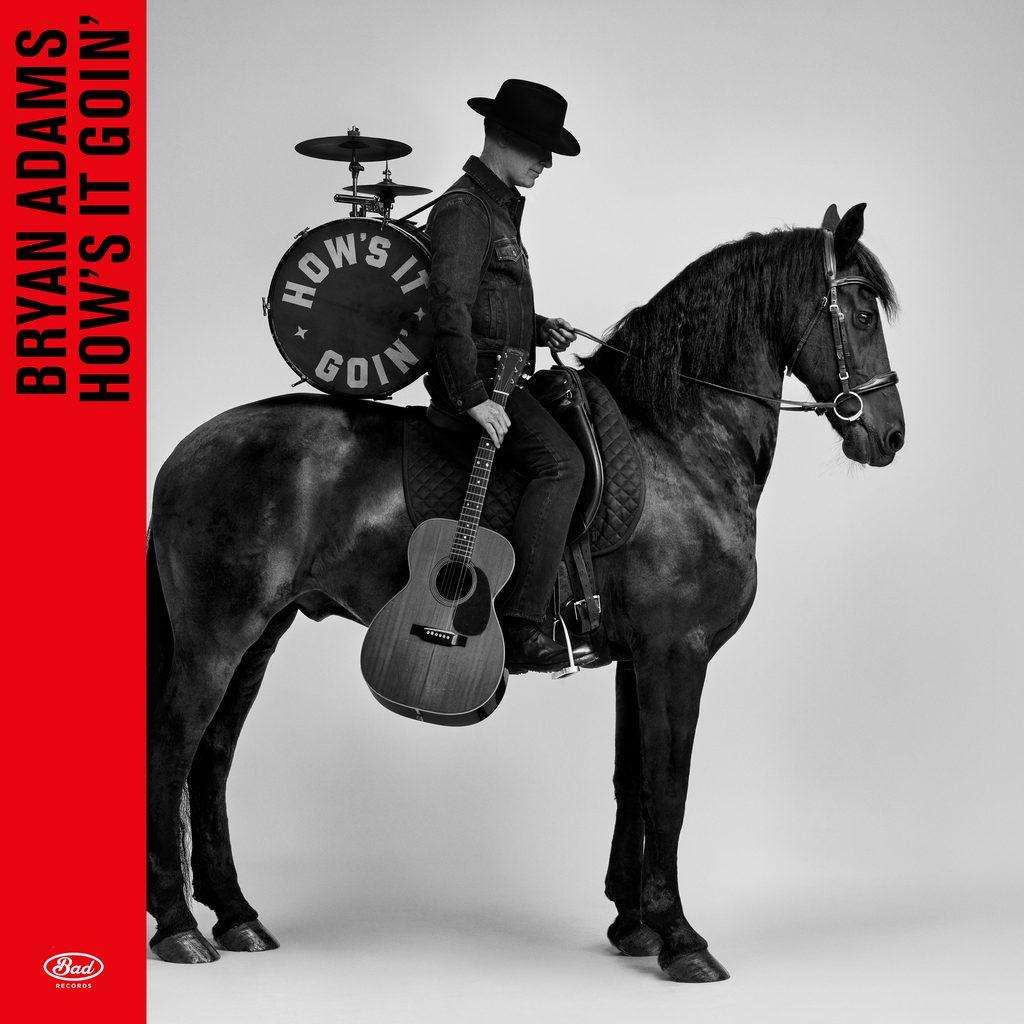
“When Canada Joined Newfoundland” adds to this. It studies a referendum held in the mid-twentieth century about whether Newfoundland should remain a part of the British Empire or whether it should become a Canadian province. “Iron Ribbon” and “The Bridge” pay tribute to Canada’s steel workers. All these tracks have a real, classic country energy, turning what could easily be dry subject matter into mid-calf heel-kicking stonkers. Country is, traditionally, a storytelling genre. Adams, traditionally, is a storytelling songwriter. This move into hillbillyorgans was inevitable. Our first taste, on the opening title track ‘How’s It Goin’’, is a juxtaposition between a beautiful tribute to the home country and images of industry, drug addiction and corruption. “You’ll never feel you’re on your own,” he says. “Just smile and say, ‘how’s it going?’ There is a sort of hope throughout a lot of the hopelessness on some of these songs. This hope for a better world is particularly prominent on “Diesel and Dirt”, maybe the most country-named country song ever countried.
This hope dominates some of the less political tracks, especially “The Ballad of Terry Fox”, which was the first song on the record that Adams put down. It was written for a 2025 documentary called ‘Run, Terry, Run’, about a Canadian man who ran across the country raising money for cancer charities with an artificial leg. Afterwards, the whole album, Adams’first in only just over a year (following ‘Roll With The Punches’ in 2025), came together quite naturally. He recorded twelve songs over three months, making it one of those flurried, impassioned albums that comes from the heart, yet despite its spontaneity, still feels like a passion project.
What is in places a tribute to heritage is also an urgent call to action. “We’re selling our souls for a handful of gold,” he says, on the hook to one of the tracks. Another is about one of thecountry’s biggest draws, ‘Canada’s Wild Eastern Edge’, and how its beauty is being shattered by the climate crisis. The fragile beauty in the lyrics for ‘Heave Away’, which speaks of lilies raised high, looks set to soon flutter away.
If you listen to Bryan Adams’ new album in the background, you will enjoy the jaunty, janky riffs, but listen closer, and you will get one of the most incisive commentaries on our current global landscape to date.


